Colorado is one of the toughest roofing climates in the country — intense UV at altitude, massive temperature swings, world-class hail seasons, and (in the mountains) snow loads that can crush an inadequate roof. Here's an honest assessment of every major material option and where each one actually makes sense.
Class 4 Impact-Resistant Asphalt Shingles
Best for: Most Front Range homes — Denver, Aurora, Parker, Lakewood, Littleton, etc.
For most homeowners along the Front Range, Class 4 impact-resistant architectural shingles are the right answer. They're the highest hail-resistance rating available in asphalt, qualify for insurance premium discounts with most carriers, and cost only a fraction more than standard shingles.
Our top picks: GAF Timberline HDZ ArmorShield II, Owens Corning Duration Storm, and CertainTeed NorthGate ClimateFlex. All three are SBS-modified polymer asphalt with proven Colorado track records.
- Lifespan: 25–30 years in Colorado
- Cost: $4–$8 per sq ft installed
- Insurance discount: Typically 5–35% off your homeowners premium
- Hail rating: UL 2218 Class 4 (highest)
Standing Seam Metal
Best for: Mountain homes, modern Front Range builds, owners who want a one-time investment.
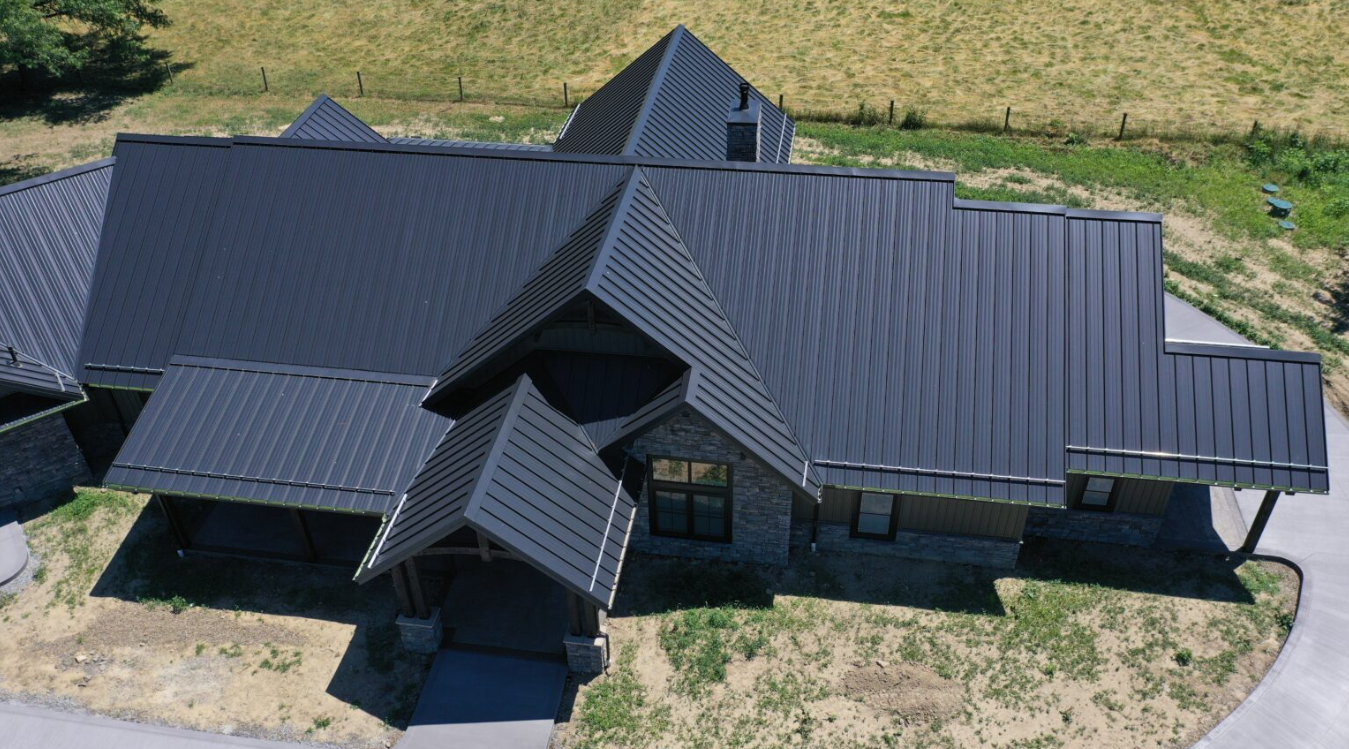
Metal is the gold standard for Colorado roofing. Standing seam panels handle snow loads better than any other material, shed snow naturally (a critical feature in Summit County), reflect UV efficiently, and last decades with zero maintenance.
- Lifespan: 40–70 years
- Cost: $12–$25 per sq ft installed
- Snow performance: Best in class — paired with snow guards for managed shedding
- Hail: Class 4 rated; cosmetic denting possible in extreme storms
The upfront cost is higher than asphalt, but on a per-year basis, metal often comes out cheaper. It's the right call for any home you're planning to own for 20+ years.
Concrete & Clay Tile
Best for: Spanish-style and Mediterranean homes (less common in Colorado).
Tile roofs are beautiful and extremely durable — 50+ year lifespan — but Colorado's freeze-thaw cycles can crack tiles that weren't engineered for cold climates. Tile also requires significant structural support for snow loads, which most Colorado homes weren't built to handle.
If you have a tile roof on an older home in Denver, repair is usually a better path than replacement. If you're building new and want a tile look, synthetic options (below) make more sense.
Synthetic Slate & Shake
Best for: Premium mountain homes wanting the look of cedar or slate without the maintenance.
Polymer composite tiles (DaVinci, Brava, EcoStar) replicate the look of cedar shake or natural slate at a fraction of the weight and maintenance burden. They're Class 4 impact-rated, handle Colorado UV well, and last 40–50 years.
- Lifespan: 40–50 years
- Cost: $14–$22 per sq ft installed
- Look: Premium — indistinguishable from real shake or slate at a few feet
Cedar Shake
Best for: Very few situations in Colorado.
We rarely recommend natural cedar shake in Colorado anymore. It's a wildfire hazard (banned in many HOAs and jurisdictions), requires constant maintenance, has a shorter lifespan than alternatives, and rarely qualifies for insurance discounts. If you love the look, go with synthetic shake instead.
TPO & EPDM (Commercial / Flat Roofs)
Best for: Commercial buildings, flat residential additions, modern flat-roof homes.
For flat or low-slope roofs, TPO single-ply membrane is the current standard for new commercial installations. It's energy-efficient, durable, and handles Colorado freeze-thaw cycles well when properly installed with adequate insulation.
EPDM (rubber) is the alternative — slightly less common on new installs but extremely durable and proven.
What Colorado Hail Does to Each Material
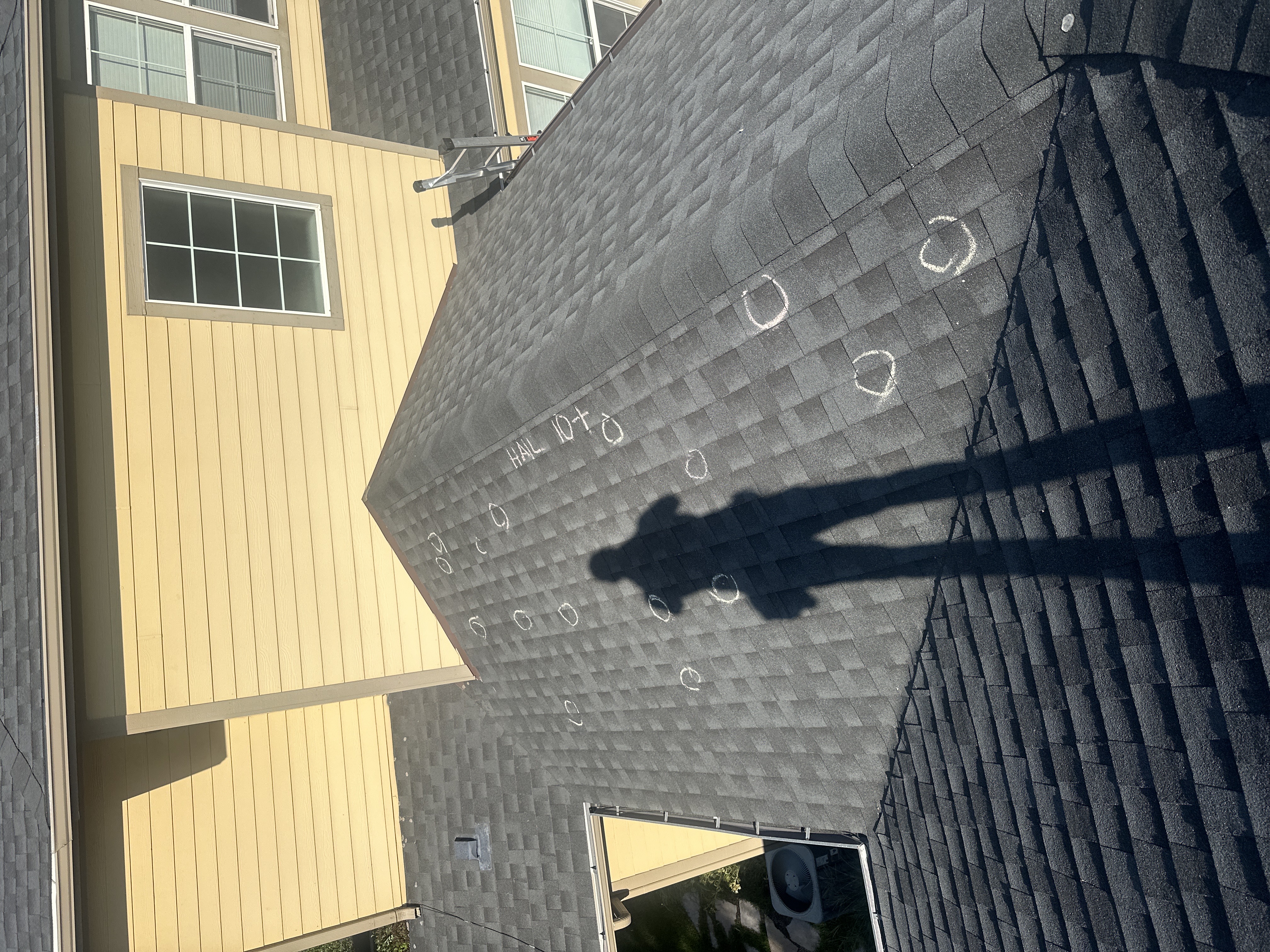
Hail size matters more than most homeowners realize. Here's how each material performs in real Colorado hail events:
- 1" hail (small): Most modern roofs survive without functional damage; cosmetic only
- 1.5"–2" hail (moderate): Standard asphalt suffers; Class 4 shingles and metal usually fine
- 2"+ hail (severe): Any asphalt roof is at risk; metal may dent but rarely fails
- 2.5"+ hail (extreme): Even premium roofs can sustain damage
If you're replacing a roof in Colorado, upgrade to Class 4 impact-resistant shingles or metal — never standard 3-tab or Class 3 architectural. The cost difference is small; the protection and insurance benefits are significant.
How to Choose
Match the material to your situation:
- Front Range, budget-conscious, insurance-driven: Class 4 asphalt shingles
- Front Range, premium home, long-term ownership: Metal or synthetic slate
- Mountain home, snow loads matter: Standing seam metal with snow guards
- Commercial flat roof: TPO single-ply membrane
- Replacing tile or shake: Synthetic equivalents
Every Force 5 estimate includes material recommendations specific to your home, your goals, and your budget — not a one-size-fits-all pitch. Reach out and we'll walk you through your options on-site.